
Now Reading: 10 Best Affordable Electric Cars in 2025 & 2026: Budget EVs Worth Buying
-
01
10 Best Affordable Electric Cars in 2025 & 2026: Budget EVs Worth Buying

10 Best Affordable Electric Cars in 2025 & 2026: Budget EVs Worth Buying

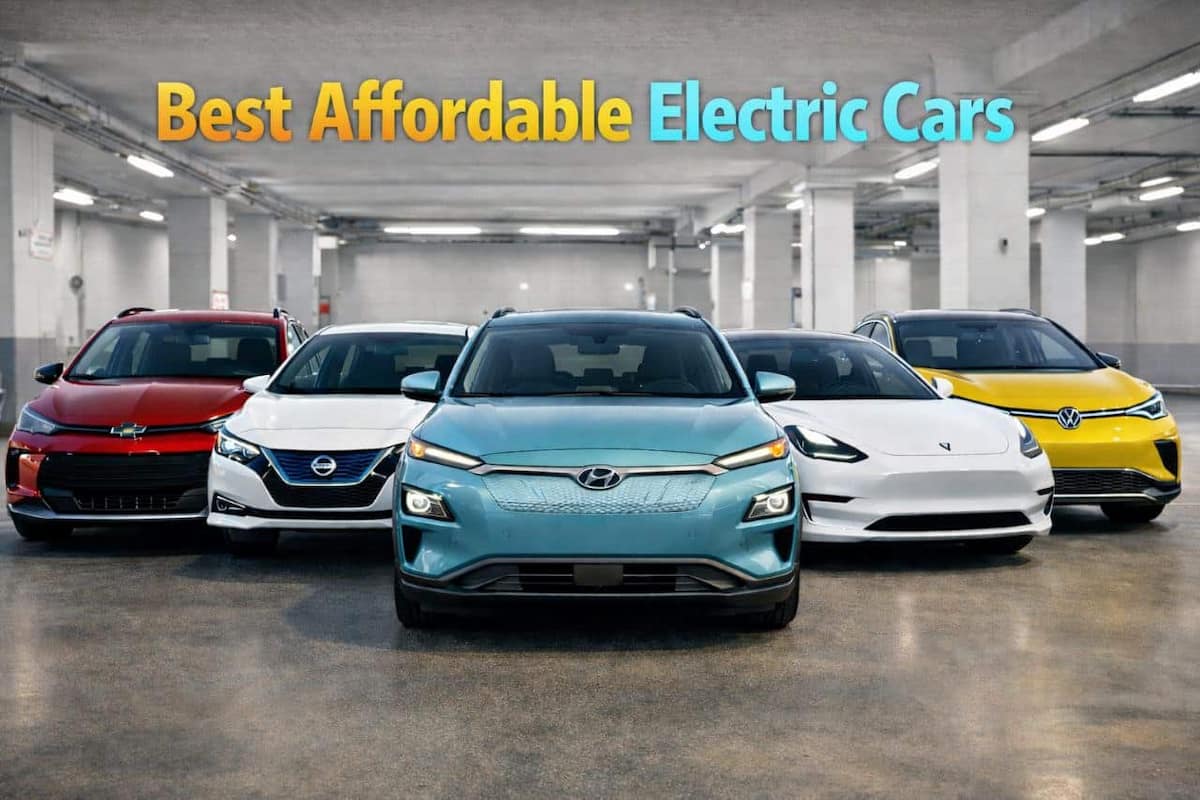
A few years ago, I used to think electric cars were only for people with huge budgets — the kind of people who casually spend $80,000 on a Tesla and do not think twice about it. But the EV market has changed dramatically. Today, you can buy a genuinely good electric car for under $30,000 — sometimes significantly less — without sacrificing the range, features, or reliability you need for everyday life.
I have spent months researching the affordable EV market — comparing real-world range figures, ownership costs, reliability records, and value for money across dozens of models — to put together this definitive guide to the best affordable electric cars you can buy in 2025 and 2026.
Whether you are buying your first EV or switching from a petrol car, this guide will help you find the right car for your budget and lifestyle.
---
What Makes an Electric Car "Affordable"?
For this list, we are defining affordable as under $40,000 USD before any government incentives or tax credits. In many markets, federal and local EV incentives can reduce the effective price significantly — sometimes by $7,500 or more in the United States alone.
We evaluated each car on:
- Real-world range (not just official figures)
- Total cost of ownership including charging costs
- Build quality and interior features
- Reliability and brand track record
- Value for money compared to petrol alternatives
---
1. Chevrolet Equinox EV 2026 — Best Overall Value
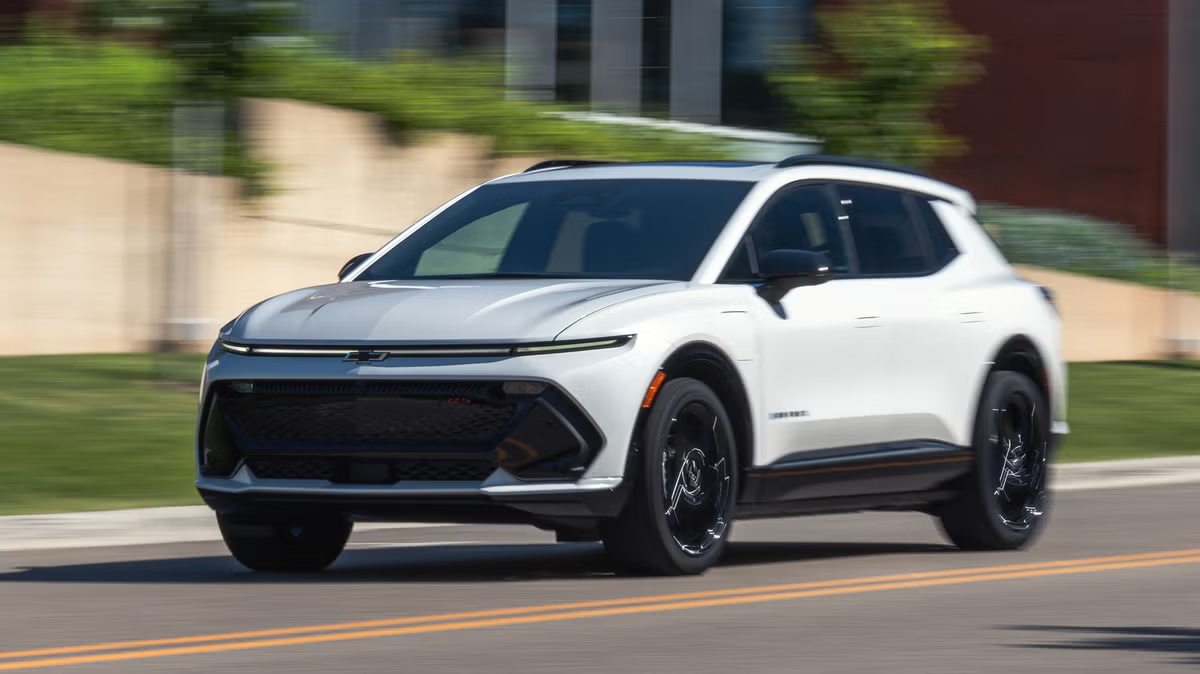
Starting Price: ~$34,995
The Chevrolet Equinox EV is arguably the most important affordable electric car of 2025 and 2026. It delivers a genuinely premium experience at a price that undercuts most competitors significantly.
Range: up to 319 miles (513 km) EPA estimated
Charging: up to 150 kW DC fast charging
0-60 mph: 6.0 seconds (FWD) / 5.3 seconds (AWD)
What makes it special: The Equinox EV looks and feels like a car that should cost $50,000. The interior quality is excellent, the infotainment system is fast and intuitive, and the real-world range is genuinely useful for daily driving and weekend trips.
The 2LT AWD variant at around $38,000 is the sweet spot — adding all-wheel drive, heated seats, and a larger battery for only a few thousand dollars more.
PROS:
✅ Outstanding value for money
✅ Long real-world range
✅ Premium interior feel at an affordable price
✅ Available with AWD
CONS:
❌ Charging speed could be faster
❌ Brand new model — long-term reliability unproven
Best For: Families and daily commuters who want maximum value
---
2. Tesla Model 3 Standard Range 2026 — Best Technology
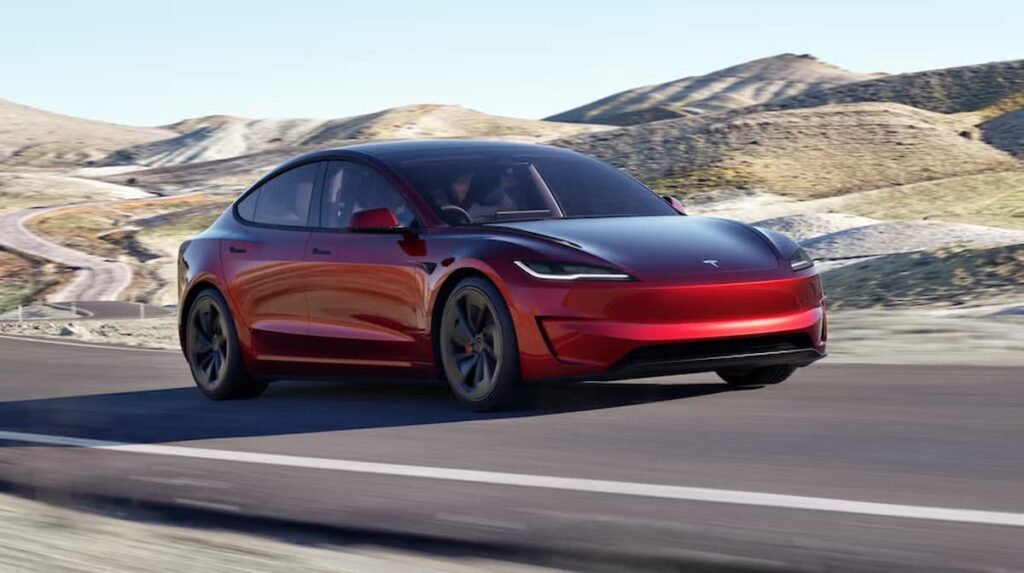
Starting Price: ~$38,990
Yes, the Tesla Model 3 qualifies as affordable — especially considering what you get for the money. The Standard Range RWD variant sits just under our $40,000 threshold and delivers the full Tesla ownership experience.
Range: up to 272 miles (438 km) EPA estimated
Charging: Tesla Supercharger network — fastest and most reliable in the world
0-60 mph: 5.8 seconds
What makes it special: No other car at this price point offers Tesla's Supercharger network access, over-the-air software updates, and the sheer polish of the Model 3's technology package. If you prioritize technology and charging convenience above all else, the Model 3 is the answer.
PROS:
✅ Best-in-class technology and software
✅ Access to Tesla Supercharger network
✅ Regular over-the-air improvements
✅ Strong resale value
CONS:
❌ No Apple CarPlay or Android Auto
❌ No instrument cluster
❌ Minimalist interior — no physical controls
Best For: Tech enthusiasts and frequent long-distance drivers
---
3. Hyundai IONIQ 6 Standard Range 2026 — Best Design
Starting Price: ~$38,615
The Hyundai IONIQ 6 is one of the most striking cars on the road today — a sleek, aerodynamic fastback that looks like it belongs in a science fiction film. But the design is not just for show — the IONIQ 6's ultra-low drag coefficient of 0.21 Cd is a major reason it delivers exceptional range.
Range: up to 361 miles (581 km) EPA estimated — Long Range RWD
Charging: up to 350 kW capable (800V architecture)
0-60 mph: 5.1 seconds (AWD)
What makes it special: The IONIQ 6 charges faster than almost any other affordable EV thanks to its 800-volt electrical architecture. At a 350 kW charger, it can add 68 miles of range in just 5 minutes. The interior is minimalist but thoughtful, with a genuinely relaxing ambiance.
PROS:
✅ Exceptional range — among the best in class
✅ Ultra-fast 800V charging architecture
✅ Stunning, aerodynamic design
✅ Comfortable and quiet interior
CONS:
❌ Rear headroom tight due to sloping roofline
❌ Polarizing design — not for everyone
❌ Smaller cargo space than SUV alternatives
Best For: Design-conscious buyers who prioritize range and charging speed
---
4. Nissan Leaf 2026 — Best Entry-Level EV
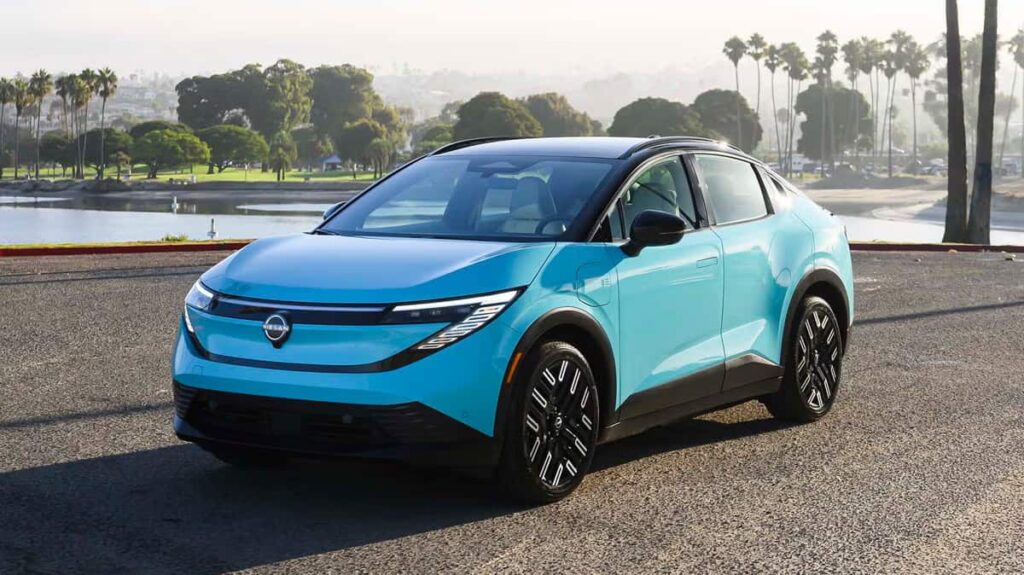
Starting Price: ~$28,040
The Nissan Leaf is one of the longest-running and most proven electric cars in the world. First launched in 2010, the Leaf has been refined over more than a decade of real-world ownership data — and it shows.
Range: up to 212 miles (341 km) EPA estimated — Leaf Plus
Charging: up to 100 kW DC fast charging (Leaf Plus)
0-60 mph: 6.5 seconds
What makes it special: The Leaf is the most affordable entry point into EV ownership from a mainstream brand. It is practical, reliable, and simple — perfect for urban commuters who want to go electric without a big financial commitment.
Note: The Leaf uses CHAdeMO DC fast charging rather than the more common CCS standard — check charging availability in your area before buying.
PROS:
✅ Lowest starting price on this list
✅ Proven reliability over many years
✅ Comfortable and practical interior
✅ Good for urban and suburban commuting
CONS:
❌ Shorter range than newer competitors
❌ CHAdeMO charging standard becoming less common
❌ Dated interior design
❌ No AWD option
Best For: Budget-conscious first-time EV buyers in urban areas
---
5. Volkswagen ID.4 2026 — Best Family Electric SUV
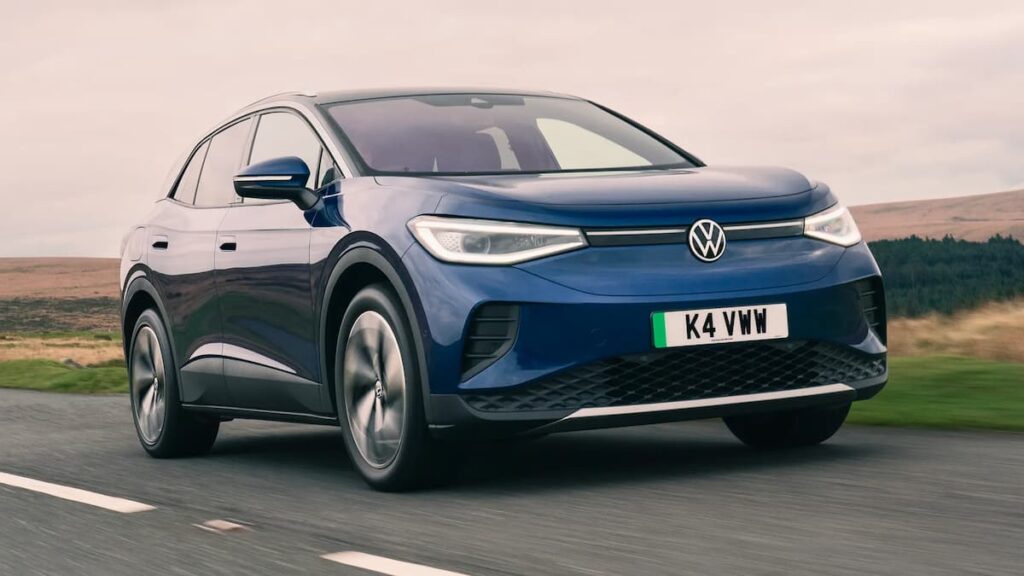
Starting Price: ~$38,995
The Volkswagen ID.4 is a proper family SUV that happens to run on electricity. It offers a genuinely spacious interior, a comfortable ride, and a premium German feel — all at a price that qualifies for the US federal EV tax credit, potentially bringing the effective cost below $31,000.
Range: up to 275 miles (443 km) EPA estimated — Standard RWD
Charging: up to 135 kW DC fast charging
0-60 mph: 5.4 seconds (AWD Pro S)
What makes it special: The ID.4 drives and feels more premium than its price suggests. The rear seat space is genuinely generous — better than most compact SUVs in this segment. The infotainment system, once criticized for being slow, has been significantly improved in recent software updates.
PROS:
✅ Spacious rear seat and cargo area
✅ Premium German build quality feel
✅ Qualifies for US federal EV tax credit
✅ Comfortable motorway cruiser
CONS:
❌ Infotainment still not class-leading
❌ Charging speed lower than Korean competitors
❌ Base model range slightly disappointing
Best For: Families wanting a practical electric SUV with European character
---
6. Kia EV6 Standard Range 2026 — Best Driver's EV Under $40K
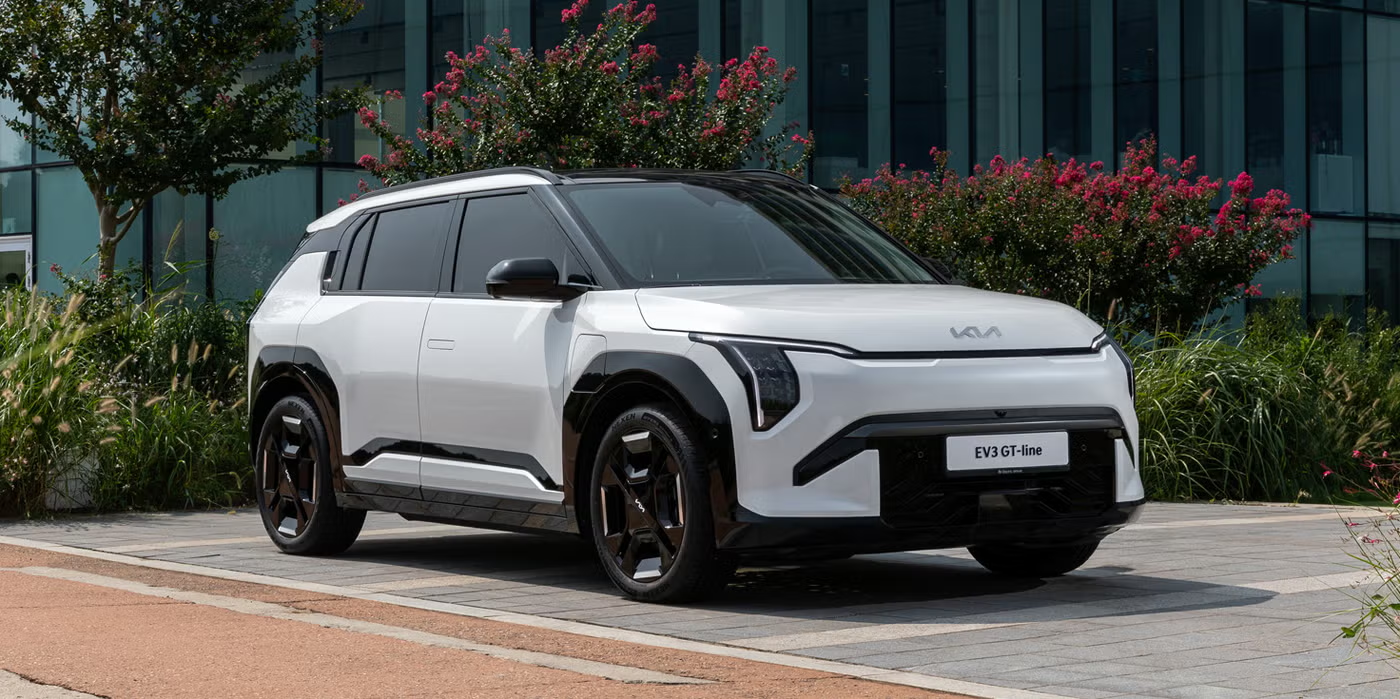
Starting Price: ~$42,600 (just above threshold but worth including)
The Kia EV6 sits slightly above our $40,000 threshold but deserves a place on this list for one simple reason — it is the most fun-to-drive affordable electric car available today. With sharp steering, a composed chassis, and available AWD, it drives more like a sports car than a family crossover.
Range: up to 310 miles (499 km) EPA estimated
Charging: up to 800V / 350 kW DC fast charging
0-60 mph: 3.5 seconds (GT variant)
What makes it special: The EV6 shares its platform with the Hyundai IONIQ 6 — meaning it gets the same class-leading 800V fast charging. The interior is modern and well-designed, with a wide curved screen setup that feels genuinely premium.
PROS:
✅ Most engaging to drive in this segment
✅ 800V ultra-fast charging
✅ Attractive, modern interior
✅ Available in high-performance GT variant
CONS:
❌ Slightly above $40K starting price
❌ Rear cargo space smaller than SUV rivals
❌ GT performance variant very expensive
Best For: Driving enthusiasts who want an affordable EV that is actually fun
---
7. Chevrolet Bolt EV 2026 — Best City Car
Starting Price: ~$26,500
The Chevrolet Bolt EV is back and better than ever. After being discontinued and then relaunched, the 2026 Bolt EV represents one of the best value propositions in the entire EV market. At $26,500 before incentives, it is the most affordable EV from a major American brand.
Range: up to 259 miles (417 km) EPA estimated
Charging: up to 55 kW DC fast charging
0-60 mph: 6.5 seconds
What makes it special: The Bolt punches well above its weight class in terms of interior quality and everyday usability. The hatchback body style is genuinely practical for city living. The range is more than adequate for most daily driving patterns.
The charging speed is the Bolt's main weakness — 55 kW maximum means longer stops at public chargers compared to competitors. It is best suited for buyers who primarily charge at home overnight.
PROS:
✅ Lowest price of any major-brand EV
✅ Excellent real-world range for the price
✅ Practical hatchback body style
✅ Low running and maintenance costs
CONS:
❌ Slow DC fast charging speed (55 kW max)
❌ Interior feels budget in places
❌ No AWD option
❌ Previous recall history (though resolved)
Best For: Urban commuters who charge primarily at home
---
8. BYD Atto 3 2026 — Best Value Outside North America
Starting Price: ~$38,000 (varies significantly by market)
The BYD Atto 3 deserves a place on this list for readers outside North America — particularly in Asia, Europe, and the Middle East where BYD has rapidly expanded. BYD is now the world's largest EV manufacturer by volume and the Atto 3 is their most successful global model.
Range: up to 420 km WLTP estimated
Charging: up to 88 kW DC fast charging
0-60 mph: approximately 7.3 seconds
What makes it special: The Atto 3 offers a level of interior creativity and feature content that surprises most first-time viewers. The cabin uses unique design elements — guitar-string door pockets, wave-pattern dashboard, ambient lighting — that feel genuinely distinctive rather than derivative.
PROS:
✅ Excellent feature content for the price
✅ Distinctive and creative interior design
✅ Good real-world range
✅ BYD Blade Battery — excellent safety record
CONS:
❌ Brand still building trust in many markets
❌ Service network limited outside China
❌ Charging speed below class leaders
❌ Resale value uncertain in new markets
Best For: Buyers in Asia, Middle East, and Europe looking for maximum features at a competitive price
---
9. MG4 Electric 2026 — Best Budget EV in Europe & Asia
Starting Price: ~$32,000 (Europe / varies by market)
The MG4 Electric has taken the European and Asian EV markets by storm — offering Chinese-manufactured quality at prices that undercut almost every competitor. In the UK it starts at approximately £26,000 making it one of the most affordable electric cars available.
Range: up to 450 km WLTP (Long Range variant)
Charging: up to 150 kW DC fast charging
0-60 mph: 3.8 seconds (XPOWER variant)
What makes it special: The MG4 drives far better than its price suggests. The ride and handling balance is genuinely impressive — comfortable enough for daily use, composed enough for spirited driving. The Long Range variant's 450 km WLTP range is class-competitive.
PROS:
✅ Extremely competitive pricing
✅ Good range in Long Range variant
✅ Better driving dynamics than expected
✅ Fast charging for the price
CONS:
❌ Interior quality below European rivals
❌ MG brand perception still rebuilding
❌ Not available in North America
❌ Long-term reliability data still limited
Best For: European and Asian buyers wanting maximum EV for minimum spend
---
10. Ora Funky Cat / Good Cat 2026 — Most Unique Budget EV
Starting Price: ~$30,000 (Europe / varies by market)
The Ora Good Cat (sold as Funky Cat in some markets) is the most unusual car on this list — a retro-styled electric hatchback from Chinese manufacturer Great Wall Motors that genuinely turns heads wherever it goes.
Range: up to 400 km WLTP estimated
Charging: up to 80 kW DC fast charging
0-60 mph: approximately 8.0 seconds
What makes it special: The Ora's retro-inspired design — reminiscent of a Volkswagen Beetle crossed with a Mini — is genuinely charming. The interior continues this theme with circular vents, pastel color options, and a layout that feels happy and characterful.
PROS:
✅ Utterly unique styling
✅ Good range for the price
✅ Charming interior character
✅ Competitive pricing
CONS:
❌ Limited availability outside select markets
❌ Slower charging than competitors
❌ Brand very new to most markets
❌ Reliability record still being established
Best For: Style-conscious buyers who want something different from the mainstream
---
Quick Comparison — All 10 Cars At A Glance
| Car | Starting Price | Range (est.) | Fast Charge | Best For |
|--------------------------|----------------|---------------|-------------|-----------------------|
| Chevrolet Equinox EV | ~$34,995 | 319 miles | 150 kW | Best overall value |
| Tesla Model 3 SR | ~$38,990 | 272 miles | 250 kW | Best technology |
| Hyundai IONIQ 6 | ~$38,615 | 361 miles | 350 kW | Best range & charging |
| Nissan Leaf Plus | ~$28,040 | 212 miles | 100 kW | Best entry level |
| Volkswagen ID.4 | ~$38,995 | 275 miles | 135 kW | Best family SUV |
| Kia EV6 | ~$42,600 | 310 miles | 350 kW | Best driving fun |
| Chevrolet Bolt EV | ~$26,500 | 259 miles | 55 kW | Best city car |
| BYD Atto 3 | ~$38,000 | 420 km WLTP | 88 kW | Best outside NA |
| MG4 Electric | ~$32,000 | 450 km WLTP | 150 kW | Best EU/Asia budget |
| Ora Good Cat | ~$30,000 | 400 km WLTP | 80 kW | Most unique style |
---
How to Choose the Right Affordable EV for You
Step 1 — Know your daily driving distance
If you drive less than 50 miles per day, almost any EV on this list will work perfectly. If you regularly drive 150+ miles per day, focus on Long Range variants.
Step 2 — Know your charging situation
Do you have a garage or parking where you can install a home charger? Home charging makes EV ownership dramatically more convenient. If you rely entirely on public charging, prioritize cars with faster charging speeds.
Step 3 — Check government incentives in your market
In the US, many of these cars qualify for the $7,500 federal EV tax credit. In Pakistan and other Asian markets, check local import duties and incentives as they significantly affect real cost.
Step 4 — Consider total cost of ownership
EVs have lower fuel and maintenance costs than petrol cars. A $35,000 EV may cost less over 5 years than a $28,000 petrol car when you factor in fuel savings and reduced servicing needs.
---
Frequently Asked Questions (FAQ)
Q: What is the cheapest electric car in 2026?
A: The Chevrolet Bolt EV at approximately $26,500 is the most affordable electric car from a major brand in the US market in 2026. In European and Asian markets, the MG4 and Ora Good Cat offer competitive pricing at around $30,000-$32,000.
Q: Are affordable electric cars reliable?
A: Yes — established brands like Nissan (Leaf), Chevrolet (Bolt), and Hyundai (IONIQ 6) have strong reliability records. Newer Chinese brands like BYD and MG are building strong reputations but have less long-term data available.
Q: How much does it cost to charge an electric car at home?
A: Charging costs vary by electricity rates. In most markets, charging an EV at home costs the equivalent of approximately $1.00-$1.50 per 100 km driven — significantly cheaper than petrol.
Q: Can I use a regular power outlet to charge an EV?
A: Yes — all EVs can charge from a standard household outlet (Level 1 charging). However this is very slow — adding only 5-8 km of range per hour. A dedicated Level 2 home charger (installed by an electrician) is strongly recommended for practical daily use.
Q: Which affordable EV has the longest range?
A: The Hyundai IONIQ 6 Long Range RWD offers up to 361 miles (581 km) EPA estimated range — the longest of any affordable EV under $40,000 in 2026.
---
Final Verdict — Which One Should You Buy?
For most buyers our top recommendation is the Chevrolet Equinox EV — it offers the best combination of range, features, interior quality, and value for money of any affordable EV in 2026.
If technology and charging convenience are your priorities, the Tesla Model 3 remains the benchmark.
If range and charging speed matter most, the Hyundai IONIQ 6 is the clear winner.
And if budget is the primary concern, the Chevrolet Bolt EV at $26,500 is simply unbeatable on price.
The good news is this: there has never been a better time to buy an affordable electric car. The technology is mature, the range is practical, and the prices have never been lower.
Related Articles:

















Pingback: 10 Best Family SUVs in 2026: Safe, Spacious & Worth Every Penny