Now Reading: How to Maintain Your Car in 2026: Complete Guide to Keep It Running Perfectly
-
01
How to Maintain Your Car in 2026: Complete Guide to Keep It Running Perfectly
How to Maintain Your Car in 2026: Complete Guide to Keep It Running Perfectly

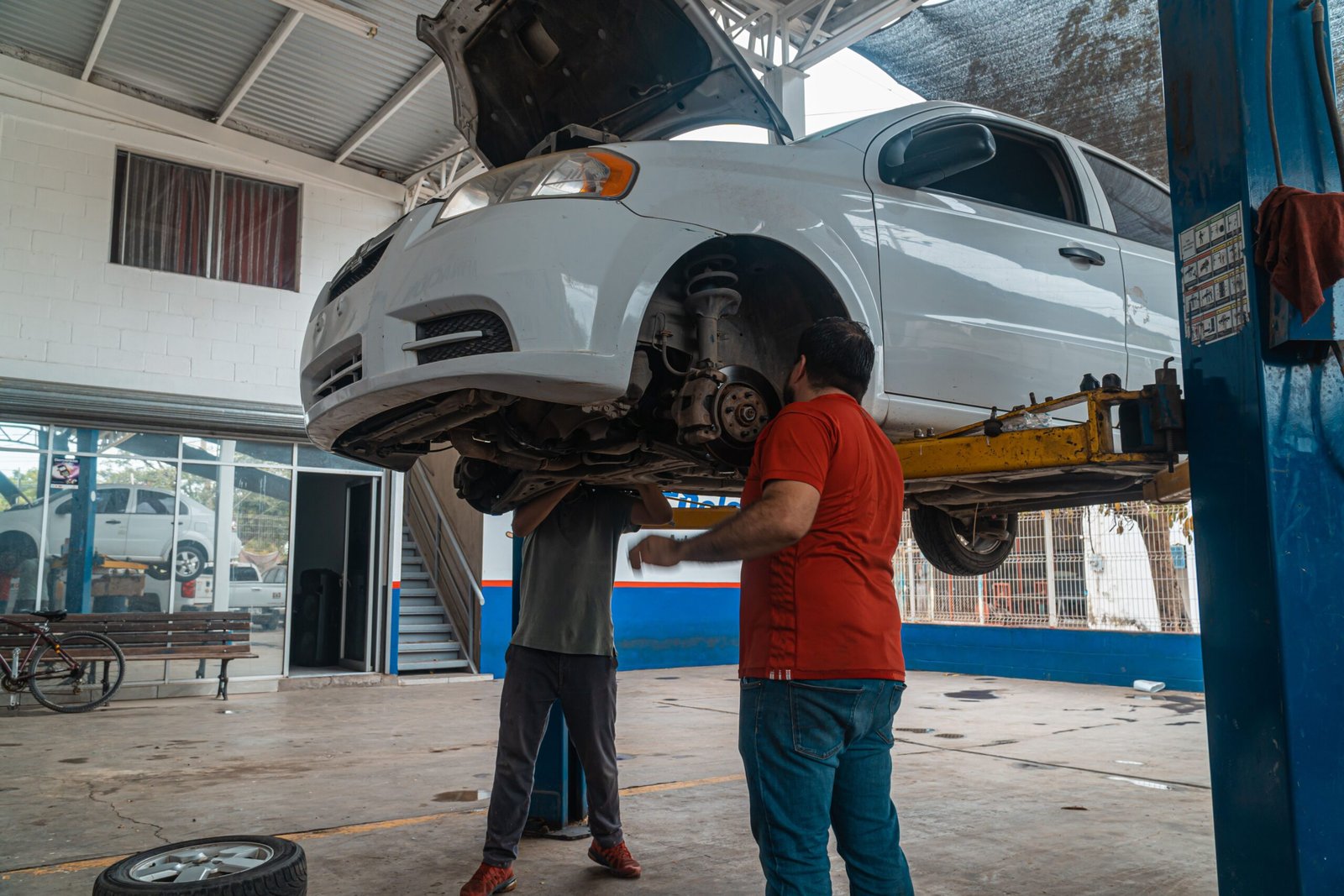
There is a saying among experienced mechanics that the most expensive car repair is the one you could have prevented. In my experience researching automotive ownership and speaking with long-term car owners, this rings true more often than most drivers would like to admit.
The good news is that proper car maintenance is neither complicated nor expensive — especially compared to the cost of the repairs that neglect eventually causes. A car that is regularly and properly maintained will last dramatically longer, perform better, be safer to drive, cost significantly less to run over its lifetime, and retain a much higher resale value than one that is neglected.
This complete guide covers everything you need to know to maintain your car properly in 2026 — whether you drive a brand new vehicle or a ten-year-old daily driver.
---
Why Regular Car Maintenance Matters
Before we get into the specifics, let us put the financial case plainly.
The average cost of regular car maintenance — oil changes, tyre rotations, filter replacements, fluid top-ups — runs approximately $500-$800 per year for most cars.
The average cost of major repairs caused by neglected maintenance:
- Engine rebuild or replacement due to oil neglect: $3,000-$8,000
- Transmission replacement due to fluid neglect: $2,500-$5,000
- Brake system replacement due to neglect: $800-$2,000
- Cooling system failure due to coolant neglect: $1,500-$4,000
The mathematics are straightforward. Spending $600 per year on maintenance to avoid a $5,000 repair is simply good financial sense.
Beyond cost, properly maintained cars are significantly safer. Worn brake pads, underinflated tyres, and failing lights are all maintenance issues that directly increase accident risk.
---
The 10 Most Important Car Maintenance Tasks
1. Engine Oil Changes — The Most Critical Maintenance Task
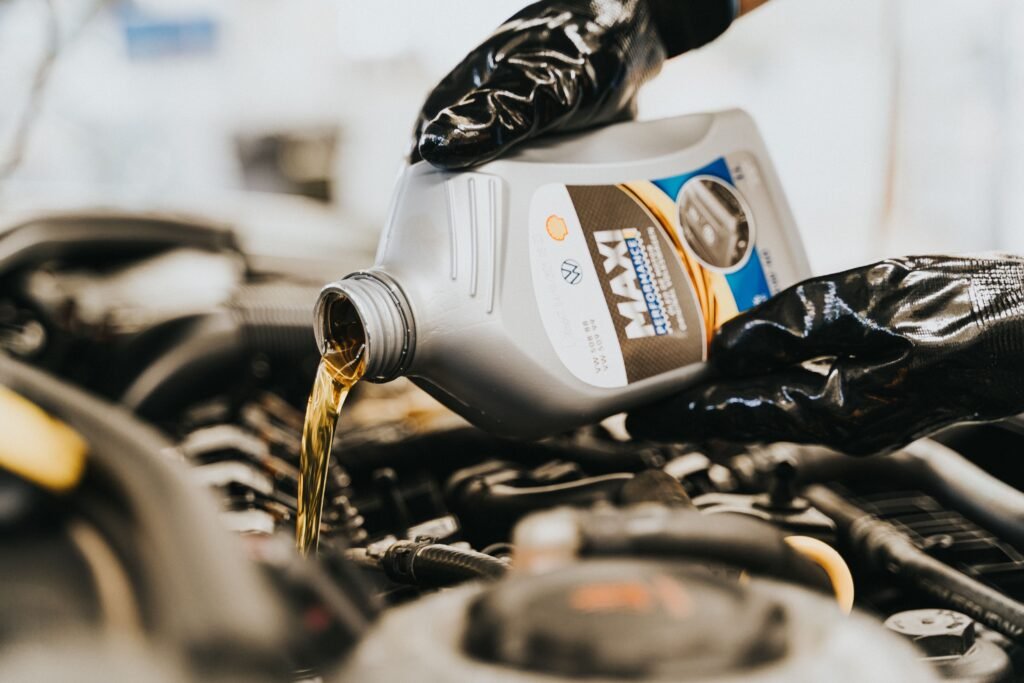
Engine oil is the lifeblood of your car's engine. It lubricates hundreds of moving metal parts, prevents overheating, cleans internal engine components, and reduces wear. When oil degrades or runs low, engine damage follows — and engine damage is among the most expensive repairs a car owner can face.
How often to change oil:
- Conventional oil: every 5,000-7,500 km
- Synthetic blend oil: every 7,500-10,000 km
- Full synthetic oil: every 10,000-15,000 km
Most modern cars use full synthetic oil and can go 10,000-15,000 km between changes. Always check your owner's manual for the manufacturer's specific recommendation for your car.
How to check your oil level:
Step 1 — Park on level ground and turn off the engine. Wait 5 minutes for oil to settle.
Step 2 — Open the bonnet and locate the oil dipstick (usually has a yellow or orange handle).
Step 3 — Pull out the dipstick, wipe it clean with a cloth, reinsert fully, then pull out again.
Step 4 — Check the oil level against the MIN and MAX markers on the dipstick.
Step 5 — Check oil color — clean oil is amber/golden. Black, gritty oil needs changing immediately.
Signs your oil needs changing:
- Dark, black, or gritty oil on dipstick
- Oil level consistently below MIN mark
- Engine making ticking or knocking sounds
- Oil change warning light on dashboard
- More than recommended km since last change
In Pakistan context: With the heat and stop-start city traffic typical in Karachi and Lahore, engine oil degrades faster than in moderate climates. Check your oil every 3,000-4,000 km and change more frequently than minimum recommendations if you drive in extreme heat or heavy traffic daily.
---
2. Tyre Maintenance — Safety Critical
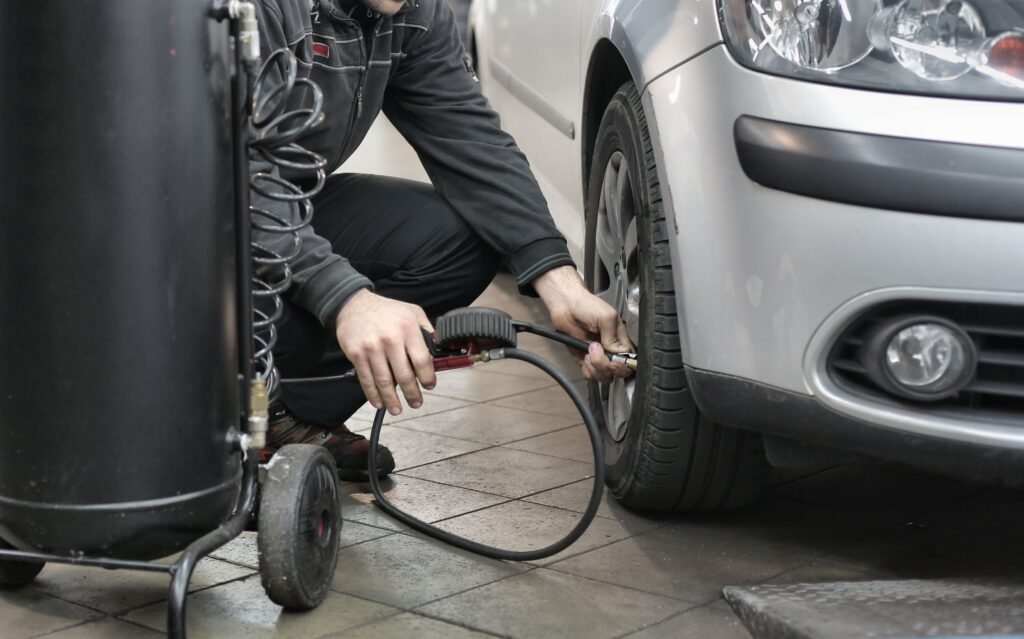
Your tyres are the only contact point between your car and the road. Everything — acceleration, braking, steering, cornering — depends on four tyre contact patches roughly the size of your hand. Tyre maintenance is therefore directly linked to your safety in ways that no other maintenance task is.
Tyre pressure:
Incorrect tyre pressure is the most common tyre problem — and the most easily preventable.
Underinflated tyres:
- Increase stopping distance significantly
- Cause excessive heat buildup leading to blowouts
- Reduce fuel economy by 0.5-3%
- Cause premature and uneven tyre wear
Overinflated tyres:
- Reduce grip and handling
- Make the ride harsher
- Cause faster wear in the center of the tread
Check tyre pressure at least once per month and before any long journey. The correct pressure for your car is on a sticker inside the driver's door frame or in your owner's manual — not on the tyre sidewall.
Tyre tread depth:
Legal minimum tread depth in most countries is 1.6mm. For safety, replace tyres when tread reaches 3mm — stopping distances increase significantly below this level.
Simple tread depth check:
Insert a coin into the tread groove. If you can see the top of the coin's head, your tread is too low and tyres need replacing.
Tyre rotation:
Front and rear tyres wear at different rates. Rotating tyres — moving fronts to rear and vice versa — every 8,000-10,000 km ensures even wear and maximizes tyre life. This typically costs very little at any garage.
Wheel alignment and balancing:
Have wheel alignment checked annually or whenever you notice the car pulling to one side. Poor alignment causes rapid and uneven tyre wear. Wheel balancing should be done whenever new tyres are fitted or if you feel vibration through the steering wheel at certain speeds.
---
3. Brake System Maintenance
Brakes are your car's most important safety system. Regular inspection and timely replacement of worn components is non-negotiable.
Brake pads:
Most cars have disc brakes on all four wheels. The brake pads — friction material that presses against the brake disc to slow the car — wear gradually over time.
Average brake pad life: 30,000-70,000 km depending on driving style and conditions. City driving with frequent braking wears pads faster than highway driving.
Signs of worn brake pads:
- Squealing or squeaking sound when braking — this is the wear indicator warning you
- Grinding metal sound when braking — pads are completely worn, immediate replacement needed
- Longer stopping distances than usual
- Brake pedal vibrating when pressed
- Car pulling to one side when braking
Never ignore brake warning sounds. Driving on worn brake pads damages the brake discs — turning a $200 pad replacement into a $600-$1,000 disc and pad replacement.
Brake fluid:
Brake fluid absorbs moisture over time which lowers its boiling point and reduces braking effectiveness. Replace brake fluid every 2 years regardless of mileage — this is a simple, inexpensive service that is often overlooked.
---
4. Car Battery Maintenance
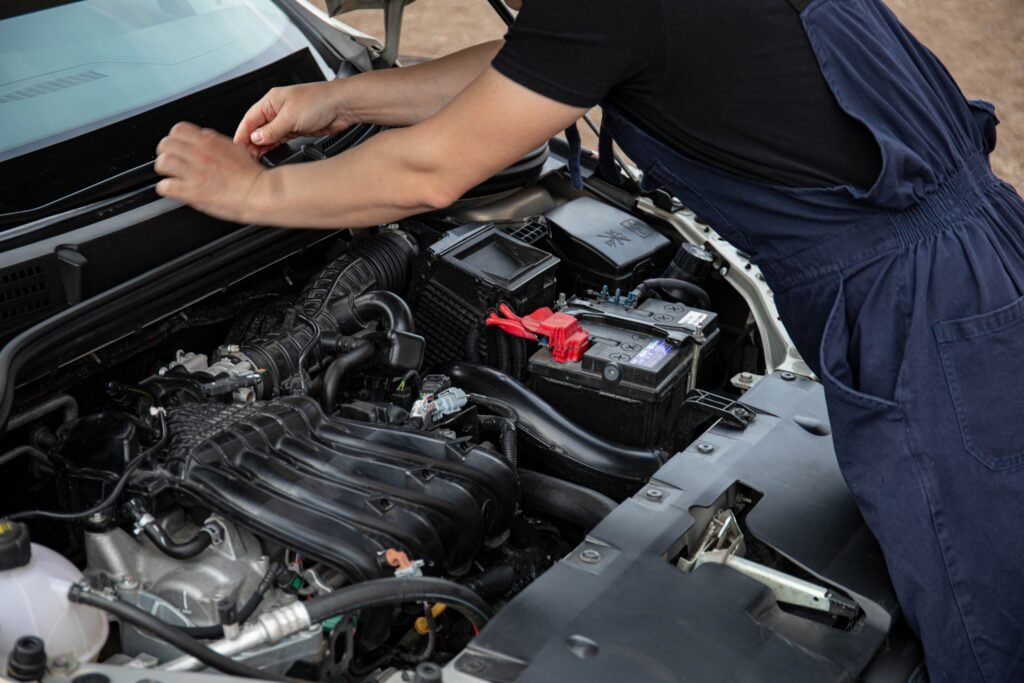
A dead battery is one of the most common causes of unexpected breakdowns — and one of the most preventable with basic maintenance.
Average car battery life: 3-5 years. In hot climates like Pakistan, heat significantly reduces battery life — expect 2-4 years in hot conditions.
Signs of a weakening battery:
- Engine cranks slowly when starting
- Dashboard warning light (battery symbol)
- Electrical accessories running slowly or dimly
- Battery more than 3 years old
- Car needs jump start
Battery maintenance tips:
- Keep battery terminals clean — white or blue corrosion buildup on terminals increases resistance and reduces battery performance. Clean with a wire brush and baking soda solution.
- Ensure terminals are tight — loose connections cause starting problems
- Avoid leaving lights or accessories running with engine off
- Drive regularly — batteries discharge when cars sit unused for extended periods
- Have battery tested annually once it is 2+ years old — most garages do this free
In Pakistan context: Extreme summer heat in cities like Karachi significantly accelerates battery degradation. If your battery is 2+ years old and showing any slow starting symptoms, have it tested before summer hits.
---
5. Cooling System Maintenance
Your car's cooling system prevents the engine from overheating — and engine overheating is one of the most catastrophically expensive failures a car can suffer.
Coolant (antifreeze):
Check coolant level monthly by looking at the translucent reservoir in the engine bay — level should be between MIN and MAX marks.
Coolant should be bright green, pink, or blue depending on type. Brown or rusty coolant indicates contamination and needs immediate flushing and replacement.
Replace coolant every 2-3 years or as per manufacturer recommendation.
Radiator:
Check for leaks, cracks, or blockages. Ensure the radiator fins are clear of debris — in Pakistan dust and insects commonly block airflow through the radiator, reducing cooling efficiency.
Thermostat:
A faulty thermostat can cause overheating or prevent the engine from reaching operating temperature. Replace if coolant temperature gauge shows consistently abnormal readings.
Warning signs of cooling problems:
- Temperature gauge reading higher than normal
- Steam from under the bonnet
- Coolant puddles under the car
- Sweet smell from engine area
- Heater not producing hot air
If your temperature gauge rises into the red zone — pull over immediately and turn off the engine. Continuing to drive an overheating engine causes catastrophic and expensive damage.
---
6. Air Filter Replacement
Your engine needs clean air to run efficiently. The air filter prevents dust, dirt, and debris from entering the engine.
Engine air filter:
Replace every 15,000-30,000 km or annually — more frequently if driving in dusty conditions. A blocked air filter reduces engine power and fuel economy.
In Pakistan: Dusty road conditions in many Pakistani cities mean air filters need more frequent replacement than the standard schedule suggests. Check your air filter every 10,000 km in dusty conditions.
Cabin air filter:
Filters air entering the passenger compartment through the AC and ventilation system. Replace every 15,000-25,000 km. A blocked cabin filter reduces AC effectiveness and allows dust and allergens into the cabin.
---
7. AC System Maintenance
In Pakistan's climate, your car's air conditioning system is not a luxury — it is essential. Proper AC maintenance ensures it works when you need it most.
Regular AC maintenance:
- Run the AC for at least 10 minutes weekly even in winter — keeps seals lubricated and prevents refrigerant leaks
- Have AC system checked and recharged every 2-3 years
- Replace cabin air filter regularly — dirty filter reduces AC effectiveness significantly
- Check for unusual smells from AC — musty smell indicates mold growth in the evaporator
Signs your AC needs attention:
- Not cooling as effectively as before
- Unusual noises when AC is running
- Musty or unpleasant smell from vents
- AC compressor making clicking or grinding sounds
---
8. Lights and Electrical System
All exterior lights — headlights, taillights, indicators, brake lights — must be working at all times for legal and safety reasons.
Check all lights monthly:
Walk around your car and check each light is working. Ask someone to stand behind the car while you press the brake pedal to check brake lights.
Replace bulbs immediately when they fail — driving with a failed brake light or indicator is both dangerous and illegal.
Modern LED headlights last significantly longer than traditional halogen bulbs but are more expensive to replace when they eventually fail.
---
9. Wiper Blades
Wiper blades are safety-critical — clear vision in rain is non-negotiable. Yet they are one of the most commonly neglected maintenance items.
Replace wiper blades every 6-12 months or when you notice:
- Streaking or smearing across the windscreen
- Chattering or juddering movement
- Visible cracking or damage to the rubber
In Pakistan: Dust and sun exposure degrade wiper rubber faster than in moderate climates. Inspect every 6 months.
---
10. Transmission Service
The transmission — whether automatic or manual — is one of the most expensive components in your car to repair or replace. Regular fluid changes prevent the vast majority of transmission problems.
Automatic transmission fluid:
Change every 40,000-60,000 km or as per manufacturer recommendation. Check fluid level and condition using the transmission dipstick if your car has one — should be red/pink and clean, not dark brown or black.
Manual transmission fluid:
Change every 50,000-80,000 km. Signs of transmission fluid problems include difficulty shifting gears, grinding when changing gears, or unusual noises.
---
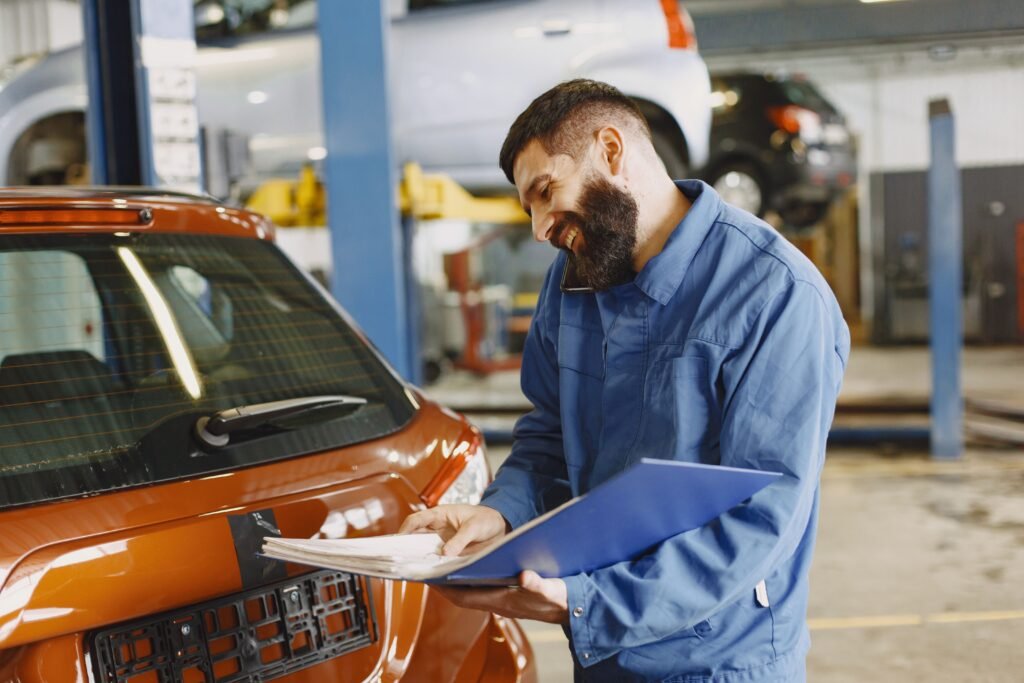
Complete Car Maintenance Schedule
| Maintenance Task | Frequency | Approximate Cost |
|---------------------------|------------------------|-------------------|
| Engine oil change | Every 5,000-15,000 km | $30-$80 |
| Oil filter replacement | Every oil change | Included above |
| Tyre pressure check | Monthly | Free |
| Tyre rotation | Every 8,000-10,000 km | $20-$50 |
| Wheel alignment | Annually | $50-$100 |
| Brake pad inspection | Every 20,000 km | Free at most garages |
| Brake pad replacement | Every 30,000-70,000 km | $150-$400 |
| Brake fluid replacement | Every 2 years | $50-$100 |
| Battery check | Annually | Free |
| Battery replacement | Every 3-5 years | $80-$200 |
| Coolant flush | Every 2-3 years | $80-$150 |
| Engine air filter | Every 15,000-30,000 km | $20-$50 |
| Cabin air filter | Every 15,000-25,000 km | $20-$40 |
| AC service | Every 2-3 years | $80-$200 |
| Wiper blades | Every 6-12 months | $20-$50 |
| Transmission fluid | Every 40,000-60,000 km | $80-$200 |
| Spark plugs | Every 30,000-100,000 km| $50-$200 |
| Timing belt | Every 60,000-100,000 km| $300-$800 |
---
Monthly Quick Check Routine
Take 10 minutes every month to check these items:
☐ Engine oil level and condition
☐ Coolant level
☐ Brake fluid level
☐ Windscreen washer fluid level
☐ All tyre pressures including spare
☐ All exterior lights working
☐ Wiper blade condition
☐ Any unusual sounds or warning lights
This 10-minute monthly routine catches the vast majority of developing problems before they become expensive repairs.
---
Frequently Asked Questions (FAQ)
Q: How often should I service my car?
A: Most manufacturers recommend a basic service every 10,000-15,000 km or once per year — whichever comes first. A full service including all fluid changes, filter replacements, and comprehensive inspection is recommended every 2 years or 30,000 km.
Q: What is the most important car maintenance task?
A: Regular engine oil changes are the single most important maintenance task. Oil neglect is the leading cause of premature engine failure — and engine replacement is the most expensive repair most car owners ever face.
Q: How do I know when my car needs servicing?
A: Most modern cars have a service reminder light on the dashboard. Additionally follow the manufacturer's schedule in your owner's manual. Do not wait for warning lights — proactive maintenance prevents the problems that cause warning lights to illuminate.
Q: Can I service my car myself?
A: Basic tasks like checking fluid levels, replacing wiper blades, changing cabin air filters, and checking tyre pressure can be done at home with basic tools. More complex tasks like brake pad replacement, oil changes, and timing belt replacement are better left to qualified mechanics unless you have experience.
Q: How much does annual car maintenance cost?
A: For most cars, annual maintenance costs range from $500-$1,000 including oil changes, filter replacements, tyre rotation, and basic inspections. This figure increases for older vehicles, performance cars, and European brands with higher parts costs.
Q: What happens if I skip oil changes?
A: Skipping oil changes is the fastest way to damage your engine. Oil degrades over time and with use — old oil provides less lubrication, less cleaning, and less heat protection. Over time metal-on-metal contact causes irreversible engine wear that ultimately requires expensive engine repair or replacement.
---
Final Verdict
Proper car maintenance is one of the most financially sensible habits a car owner can develop. The cost of regular maintenance is a fraction of the cost of the repairs that neglect causes — and a properly maintained car is significantly safer, more reliable, and more enjoyable to drive.
Start with the monthly quick check routine — 10 minutes per month that catches most developing problems early. Follow the maintenance schedule for your specific car. And when in doubt, consult a qualified mechanic — a professional opinion is always cheaper than an avoidable breakdown.
Your car is likely one of your most valuable possessions. Treat it accordingly.
---
Related Articles:
- How to Buy a Used Car in 2026
- Best Cars Under $30,000 in 2026
- How to Find the Cheapest Car Insurance in 2026
- Electric Car vs Petrol Car in 2026