Now Reading: How to Find the Cheapest Car Insurance in 2026: 12 Money-Saving Tips
-
01
How to Find the Cheapest Car Insurance in 2026: 12 Money-Saving Tips



Car insurance is one of those expenses that most people pay without thinking too hard about — they get a quote, accept it, and renew it automatically every year without checking if they could be paying significantly less.
That is a very expensive habit.
Research consistently shows that drivers who actively shop for car insurance save an average of $500-$1,000 per year compared to those who simply auto-renew. Over five years that is $2,500-$5,000 in your pocket — money that could go toward your next car, a family holiday, or simply your savings account.
In this guide I will show you exactly how to find the cheapest car insurance available to you in 2026 — without sacrificing the coverage you actually need.
---
First — Understanding What You Are Actually Paying For
Before you can find cheaper insurance, you need to understand what you are buying. Car insurance is not one single product — it is a combination of different types of coverage, and you may be paying for things you do not need or missing coverage you should have.
The main types of car insurance coverage:
Third Party Only (TPO):
The most basic and usually cheapest level of cover. Pays for damage or injury you cause to other people and their property. Does NOT cover damage to your own car.
Third Party Fire and Theft (TPFT):
Covers everything TPO does, plus damage to your own car from fire or theft. Does not cover accidental damage to your own vehicle.
Comprehensive:
The most complete coverage. Covers damage to your own car from accidents, fire, theft, and most other causes — plus damage to others. Often not as expensive as you might think compared to TPFT.
In Pakistan, basic third party insurance is legally required. Comprehensive insurance is optional but strongly recommended for newer or more valuable vehicles.
Additional coverage options to understand:
- Breakdown cover — roadside assistance if your car breaks down
- Legal expenses cover — pays legal costs if you need to claim
- Personal accident cover — pays if you are injured in an accident
- Courtesy car cover — provides a replacement car while yours is being repaired
- No claims bonus protection — protects your discount if you make a claim
---
12 Proven Tips to Get the Cheapest Car Insurance in 2026
Tip 1 — Always Compare Multiple Quotes
This is the single most impactful thing you can do. Insurance prices vary enormously between companies for identical coverage. The same driver with the same car and the same coverage requirements can receive quotes ranging from $400 to $1,200 per year from different insurers.
Never accept the first quote you receive. Always compare at least 5-7 different insurers before deciding.
How to compare:
- Use comparison websites — they check multiple insurers simultaneously
- Go direct to insurers not listed on comparison sites
- Check specialist insurers for your car type (classic car, sports car, electric vehicle)
Popular comparison approaches:
- Online comparison platforms in your market
- Direct insurer websites
- Insurance brokers who can access multiple insurers
Time investment: 30-60 minutes
Potential saving: $200-$800 per year
---
Tip 2 — Never Auto-Renew
Insurance companies know that most customers auto-renew without checking alternatives. They rely on this inertia — and often increase premiums significantly at renewal knowing many customers will simply pay without questioning.
Studies show that new customers often receive significantly lower quotes than existing customers for identical coverage. Insurance companies offer their best prices to attract new business.
What to do:
- Set a reminder 3-4 weeks before your renewal date
- Get fresh quotes from multiple insurers
- If your current insurer's renewal quote is higher than competitors, call them and say you are considering switching — they will often match or beat the competitor price
Time investment: 1-2 hours per year
Potential saving: $100-$500 per year
---
Tip 3 — Increase Your Voluntary Excess
The excess is the amount you pay toward any claim before your insurance pays the rest. Most policies have a compulsory excess set by the insurer — but you can also add a voluntary excess on top.
By agreeing to pay a higher excess if you claim, you reduce the insurer's risk — and they reward this with lower premiums.
Example:
- Policy with $250 voluntary excess: $800 per year
- Same policy with $750 voluntary excess: $620 per year
- Annual saving: $180
Important: Only increase your voluntary excess to an amount you could genuinely afford to pay if you needed to make a claim. There is no benefit to choosing a $1,000 voluntary excess if you could not actually pay $1,000 in an emergency.
Potential saving: $100-$300 per year
---
Tip 4 — Choose Your Car Wisely

The car you drive has a massive impact on your insurance premium. Insurance companies group cars into insurance categories based on:
- Engine size and power output
- Repair costs and parts availability
- Safety features and safety ratings
- Theft risk — some models are stolen far more frequently than others
- Historical claims data for that model
Cars that are cheapest to insure typically:
- Have smaller engines (under 1.6 liters)
- Are common models with widely available, affordable parts
- Have strong safety ratings
- Are not on theft target lists
Cars that are most expensive to insure:
- High-performance sports cars
- Luxury vehicles with expensive parts
- Modified cars
- Models with high theft rates
Before buying any car, always get an insurance quote first. Sometimes the difference in annual insurance cost between two similar cars is $500-$1,000 — which significantly changes the true cost of ownership.
---
Tip 5 — Improve Your Car's Security
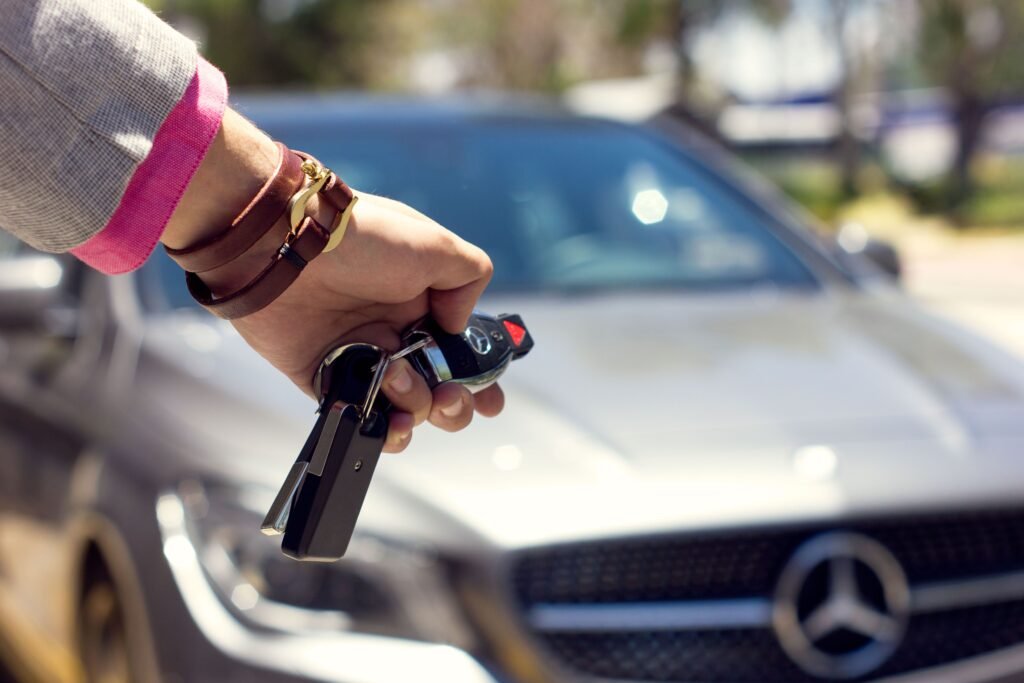
Cars with better security features cost less to insure. Insurers reward measures that reduce the risk of theft.
Security improvements that can lower your premium:
- Fitting an approved alarm system
- Installing a Thatcham-approved immobilizer
- Fitting a tracking device (GPS tracker)
- Parking in a garage rather than on the street
- Installing a dashcam (some insurers offer discounts)
- Using a visible steering wheel lock
When getting quotes, always mention any security features your car has — insurers do not always ask, but it can reduce your premium if you tell them.
Potential saving: $50-$200 per year
---
Tip 6 — Build and Protect Your No Claims Discount
Your No Claims Discount (NCD) — also called No Claims Bonus — is one of the most valuable assets you have as a driver. For every year you drive without making a claim, your discount increases.
Typical NCD discounts:
- 1 year no claims: 20-30% discount
- 2 years no claims: 35-40% discount
- 3 years no claims: 45-50% discount
- 4 years no claims: 55-60% discount
- 5+ years no claims: 60-70% discount
A driver with 5+ years no claims can pay half what a new driver pays for identical coverage. Protecting this discount is critically important.
No Claims Discount Protection:
Many insurers offer NCD protection as an add-on. This allows you to make one or two claims in a policy year without losing your discount. For drivers with 4+ years NCD, this protection is usually worth the small extra cost.
Should you claim for small damage?
If repair costs are only slightly above your excess, consider paying for repairs yourself rather than claiming. Losing even one year of NCD can cost more in increased premiums over the following years than the repair itself.
---
Tip 7 — Consider Telematics or Black Box Insurance
Telematics insurance — also called black box insurance — uses a device fitted to your car (or a smartphone app) to monitor your driving. Safe driving behavior results in lower premiums.
This is particularly valuable for:
- Young or new drivers who face very high standard premiums
- Drivers who do low annual mileage
- Anyone who primarily drives at lower-risk times (daytime, not late night)
Monitored driving behaviors typically include:
- Speed — staying within speed limits
- Braking smoothness — harsh braking suggests risky driving
- Cornering — sharp cornering is flagged
- Time of driving — night driving is statistically higher risk
- Mileage — lower mileage means lower risk
Potential saving for safe drivers: 20-40% compared to standard policies
---
Tip 8 — Accurately Estimate Your Annual Mileage
Insurers charge more for higher annual mileage — more time on the road means more exposure to risk.
Many drivers significantly overestimate their annual mileage when getting quotes. Be accurate — if you only drive 8,000 km per year, do not say 15,000. Every kilometer you over-declare is money you are giving away unnecessarily.
How to estimate accurately:
- Check your odometer reading now
- Look back at readings from 12 months ago (service records often show mileage)
- Calculate the actual distance
Important: Do not under-declare your mileage. If you claim and your actual mileage significantly exceeds your declared figure, your insurer can reduce or reject your claim.
Potential saving: $50-$200 per year for accurate declaration
---
Tip 9 — Pay Annually Rather Than Monthly
Most insurers offer the option to pay monthly — but this convenience comes at a cost. Monthly payment plans are essentially a loan arrangement, and insurers charge interest.
The interest on monthly insurance payments typically adds 10-20% to the annual cost.
Example:
- Annual payment upfront: $800
- Monthly payments x 12: $920 (effectively paying $120 extra in interest)
If you can afford to pay the full annual premium upfront, always do so. If cash flow is a concern, consider setting aside the monthly amount in a savings account throughout the year so you can pay annually at renewal.
Potential saving: $80-$200 per year
---
Tip 10 — Add an Experienced Named Driver

Adding an experienced driver with a clean record to your policy as a named driver can reduce your premium — particularly for younger or newer drivers whose individual premiums are high.
This works because the insurer sees the experienced driver as reducing the overall risk profile of the policy.
Important warning — Fronting:
Never list an experienced driver as the main driver when you are actually the main driver. This is called fronting and is insurance fraud. It can invalidate your policy entirely and result in serious legal consequences. Only add someone as a named driver if they genuinely drive the car.
Potential saving for young drivers: $100-$400 per year
---
Tip 11 — Review Your Coverage Annually
Your insurance needs change over time — and what was the right coverage last year may not be the right coverage this year.
Review these questions at every renewal:
Is comprehensive still necessary?
If your car's market value has dropped significantly, the cost of comprehensive coverage may exceed the maximum payout you would receive. For older, lower-value cars, third party fire and theft is often more cost-effective.
Are you paying for coverage you never use?
Breakdown cover is useful — but if you are already a member of a breakdown service, you are paying twice.
Has your situation changed?
New job closer to home means lower mileage. Moving to a safer neighborhood may reduce theft risk. Getting married can reduce premiums with some insurers. All of these changes can reduce your premium.
---
Tip 12 — Use Every Available Discount
Insurers offer numerous discounts that many customers simply do not know about or remember to ask for. Always ask what discounts are available.
Common available discounts include:
- Multi-car discount — insuring more than one car with the same insurer
- Homeowner discount — some insurers offer lower rates to homeowners
- Loyalty discount — though always check this against competitor prices
- Occupation discount — certain professions receive lower rates
- Alumni or membership discount — some insurers offer discounts to members of specific organizations
- Advanced driving qualification discount — passing an advanced driving course can reduce premiums
- Electric vehicle discount — many insurers now offer lower rates for EVs
Always ask — the worst they can say is no.
---
Car Insurance for Electric Vehicles in 2026
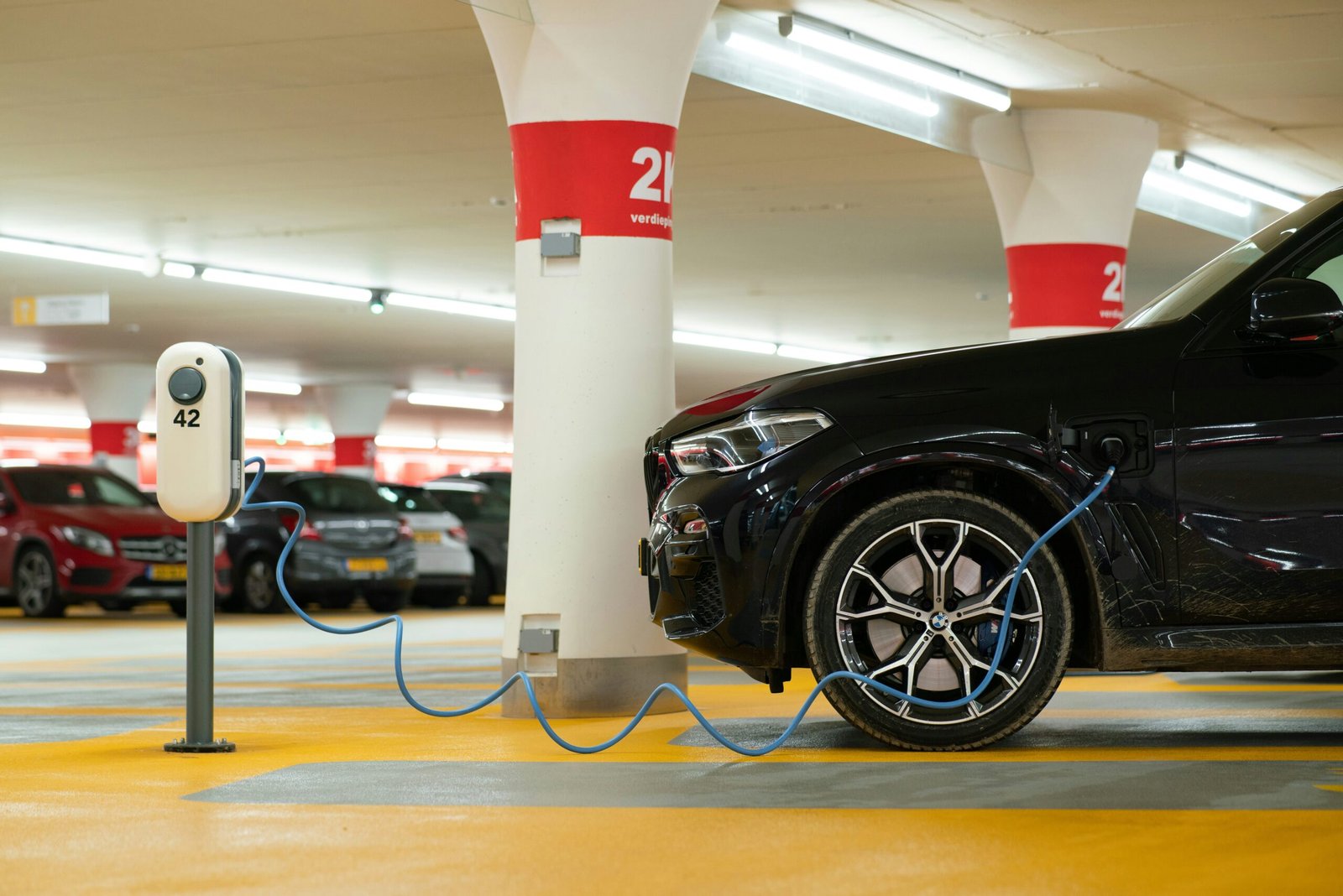
Electric car insurance deserves a special mention. EVs are increasingly popular but insurance for them has some important differences.
EV insurance tends to be slightly more expensive than petrol equivalents due to:
- Higher vehicle purchase prices
- Expensive battery replacement costs
- Specialist repair requirements
- Limited repair network for some brands
However this is changing rapidly in 2026 as more insurers develop EV-specific policies. Several specialist EV insurers now offer competitive rates with coverage specifically designed for electric vehicles including battery-specific coverage.
Tips for cheaper EV insurance:
- Use a specialist EV insurer rather than a standard insurer
- Ask specifically about battery coverage — what is covered and what is not
- Check charging cable theft coverage
- Look for insurers offering home charging installation as a benefit
---
Quick Summary — 12 Tips to Save on Car Insurance
| Tip | Potential Annual Saving |
|-----|------------------------|
| Compare multiple quotes | $200-$800 |
| Never auto-renew | $100-$500 |
| Increase voluntary excess | $100-$300 |
| Choose the right car | $200-$1,000 |
| Improve car security | $50-$200 |
| Build no claims discount | Up to 70% discount |
| Consider telematics | 20-40% saving |
| Accurate mileage declaration | $50-$200 |
| Pay annually | $80-$200 |
| Add experienced named driver | $100-$400 |
| Review coverage annually | Variable |
| Use all available discounts | $50-$300 |
Total potential saving: $500-$2,000+ per year
---
Frequently Asked Questions (FAQ)
Q: What is the cheapest type of car insurance?
A: Third Party Only (TPO) is technically the cheapest type of coverage. However comprehensive insurance is sometimes cheaper than TPO or TPFT because insurers associate drivers who choose minimum coverage with higher risk behavior.
Q: How can I lower my car insurance as a young driver?
A: Young drivers face the highest premiums due to statistical accident risk. The best options are: telematics/black box insurance, adding an experienced named driver, choosing a low insurance group car, building no claims discount from the start, and taking an advanced driving course.
Q: Does the color of my car affect insurance cost?
A: No — car color has no impact on insurance premiums. This is a persistent myth. What matters is the make, model, engine size, and your personal driving history.
Q: Is it cheaper to pay car insurance monthly or annually?
A: Annually is always cheaper. Monthly payments include interest charges of typically 10-20%. Always pay annually if possible.
Q: Can I get car insurance with a bad driving record?
A: Yes, but it will be significantly more expensive. Specialist insurers cover drivers with convictions or claims history. Focus on rebuilding your record — premiums reduce each year you drive without incidents.
Q: What happens if I drive without insurance?
A: Driving without insurance is illegal in most countries. Penalties include heavy fines, points on your license, vehicle seizure, and in serious cases prosecution. It is never worth the risk.
---
Final Verdict
Car insurance does not have to be the expensive, confusing, and frustrating experience most drivers accept it as. Armed with the 12 tips in this guide, you have everything you need to find significantly cheaper coverage without sacrificing the protection you need.
The key actions: compare quotes every year, never auto-renew, increase your voluntary excess to a comfortable level, build and protect your no claims discount, and pay annually. These five actions alone can save most drivers $500-$1,000 per year.
Start today — your renewal date is always closer than you think.
---
Related Articles:
- Best Affordable Electric Cars in 2025 and 2026
- Electric Car vs Petrol Car in 2026
- How to Buy a Used Car in 2026
- Honda Civic 2026 Review